
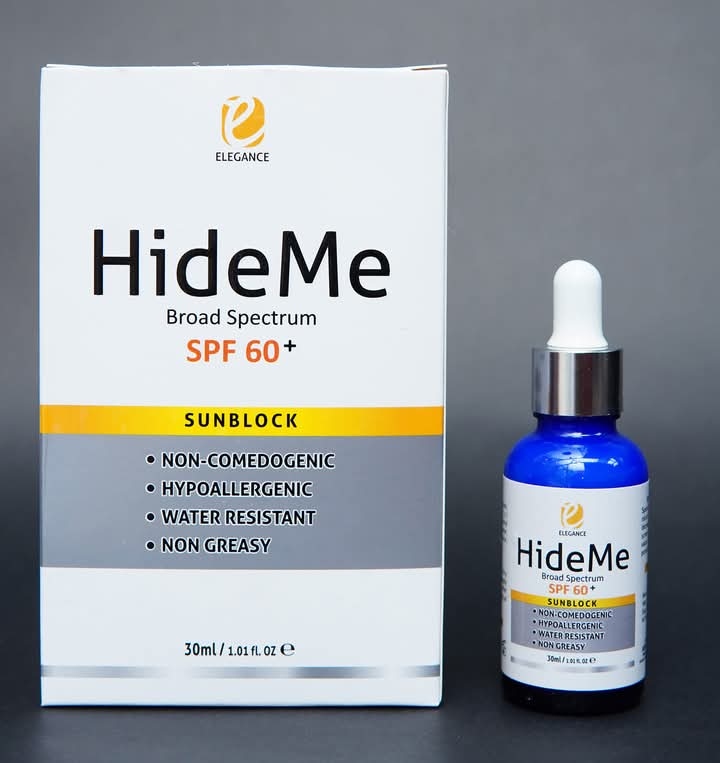
What “Broad-Spectrum” Means:
Broad-spectrum protection means the sunscreen blocks both UVA and UVB rays.
UVB rays: Cause sunburn and contribute to skin cancer.
UVA rays: Penetrate deeper into the skin, leading to long-term skin damage like premature aging (wrinkles, age spots) and also contributing to skin cancer.
By blocking both types of rays, a broad-spectrum sunscreen helps prevent both immediate and long-term skin damage.
Why SPF 60 Is Considered High Protection:
SPF 60 provides very high protection, though no sunscreen can block 100% of UV rays.
SPF 30 blocks about 97% of UVB rays.
SPF 50 blocks about 98% of UVB rays.
SPF 60 blocks about 98.3% of UVB rays.
The difference in UVB protection between SPF 30, 50, and 60 is quite small, but some people opt for higher SPF if they are very sensitive to the sun, have fair skin, or need longer-lasting protection (e.g., if they’re going to be outdoors for extended periods of time).
What to Look for in SPF 60 Broad-Spectrum Sunscreen:
When looking for an SPF 60 broad-spectrum sunscreen, consider the following:
Active Ingredients:
Physical (Mineral) Sunscreens: These contain ingredients like zinc oxide or titanium dioxide, which sit on top of the skin and physically block UV rays.
Chemical Sunscreens: These absorb UV rays and convert them into heat, with common active ingredients like avobenzone, octinoxate, octocrylene, and oxybenzone.
Mineral sunscreens tend to be less irritating to sensitive skin, while chemical sunscreens may offer a more lightweight feel.
Reviews
There are no reviews yet.